
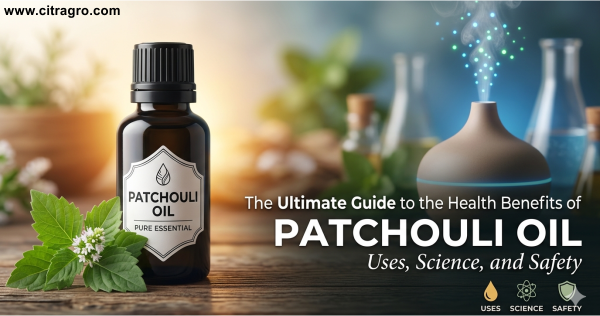
The Ultimate Guide to the Health Benefits of Patchouli Oil: Uses, Science, and Safety
More Than Just an Exotic Scent
Indonesia is one of the world’s largest producers of essential oils, and one of its hidden gems is patchouli oil. Most people recognize patchouli (Pogostemon cablin) as a fixative in high-end perfumes—the reason your favorite fragrance lasts all day. But did you know that the health benefits of patchouli oil go far beyond its distinctive, earthy aroma?
For centuries, traditional medicine systems in China, India, and Southeast Asia have harnessed patchouli oil to treat everything from insect bites and skin infections to depression and digestive issues. Modern science is now catching up, validating many of these traditional uses.
This pillar article will explore the scientifically-backed health benefits of patchouli oil, how its active compounds work, and provide a complete safety guide for incorporating it into your daily wellness routine.
Looking for high-quality patchouli oil for wholesale or export? Check out our trusted partner: Indonesia’s Premium Patchouli Oil Supplier for Export
1. What Is Patchouli Oil? Meet the “Green Gold” of the East
Before diving into the benefits, let’s understand exactly what patchouli oil is.
1.1 Origin and Extraction Process
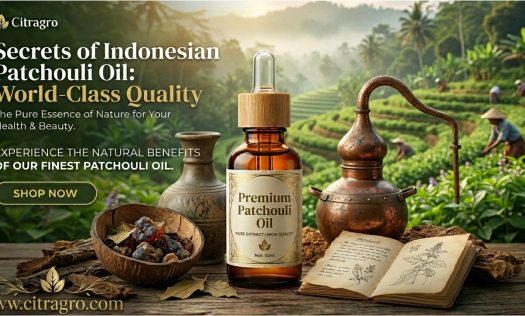
Patchouli oil is an essential oil steam-distilled from the dried leaves of the plant Pogostemon cablin, a bushy tropical herb belonging to the Lamiaceae family (the mint family). Unlike most essential oils that degrade over time, patchouli oil actually improves with age. Aging for several months to years mellows its aroma, making it richer, sweeter, and more complex.
1.2 Unique Characteristics of Patchouli Oil
- Color: Golden yellow to deep greenish-brown.
- Aroma: Strong, earthy (like damp soil), woody, with subtle sweet and spicy notes.
- Viscosity: Slightly thicker than other essential oils like lavender or tea tree.
- Key Constituent: Patchoulol (Patchouli alcohol) – This sesquiterpene alcohol is responsible for the signature scent and most of the therapeutic benefits. Other important compounds include alpha-bulnesene, alpha-guaiene, and caryophyllene, which have potent anti-inflammatory and antifungal properties.
Understanding these characteristics helps explain why the health benefits of patchouli oil are so diverse. Now, let’s explore them in detail.
2. 15 Powerful Health Benefits of Patchouli Oil (Evidence-Based)
Here is a complete list of the health benefits of patchouli oil – from the most popular to the lesser-known gems.
2.1 Natural Skincare: Anti-Aging & Anti-Acne
This is one of the most sought-after health benefits of patchouli oil.
- Anti-Aging: Patchouli oil promotes the growth of new skin cells and helps tighten skin tissue. Its active compounds stimulate the contraction of fine muscles beneath the skin, effectively reducing the appearance of fine lines, wrinkles, and preventing sagging.
- Acne Fighter: Its potent antibacterial and anti-inflammatory properties work against Cutibacterium acnes (the primary cause of acne). Patchouli not only kills the bacteria but also reduces redness and swelling, preventing post-acne scars.
2.2 Relieves Stress, Anxiety, and Depression
In our fast-paced world, mental health is everything. In aromatherapy, the health benefits of patchouli oil for mental well-being are outstanding.
Inhaling patchoulol molecules triggers the release of serotonin and dopamine – two neurotransmitters that make us feel happy and calm. Patchouli acts as a mild sedative, effectively lowering cortisol levels (the stress hormone). The result? Reduced anxiety, clearer thinking, and deeper sleep for insomniacs.
2.3 Accelerates Wound Healing and Acts as an Antiseptic
Traditionally, crushed patchouli leaves were applied directly to wounds. Now, science confirms this wisdom.
Patchouli oil is a powerful natural antiseptic. When applied (diluted), it protects open wounds from bacterial infections like Staphylococcus aureus. Moreover, it has cicatrizant properties – the ability to stimulate new scar tissue formation and accelerate blood clotting. This makes it ideal for minor cuts, abrasions, and mild burns.
2.4 Anti-Inflammatory: Relieves Joint and Muscle Pain
Chronic inflammation is at the root of many diseases, including rheumatoid arthritis and muscle pain.
This health benefit of patchouli oil comes from beta-patchoulene. This compound works by inhibiting pro-inflammatory cytokines in the body. Massaging sore areas (knees, shoulders, lower back) with diluted patchouli oil can significantly reduce pain, swelling, and joint stiffness.
2.5 Fights Fungal Infections (Antifungal)
Fungal skin conditions like ringworm, athlete’s foot, and candidiasis are irritating and persistent. Research shows that patchouli oil is highly effective against various fungal strains, including Trichophyton mentagrophytes and Candida albicans. This makes it an excellent natural alternative to commercial antifungal creams.
2.6 Boosts the Immune System
With its broad-spectrum antimicrobial activity, patchouli oil helps lighten the load on your immune system. When foreign pathogens are neutralized early by patchouli’s compounds, your body doesn’t need to mount a massive, exhausting immune response. The result? You become more resistant to common illnesses like colds and flu.
2.7 Treats Dandruff and Promotes Healthy Hair
A healthy scalp is the foundation of beautiful hair.
The health benefits of patchouli oil for hair are mainly due to its antifungal action against Malassezia globosa, the fungus often responsible for dandruff. Additionally, patchouli helps balance sebum production on the scalp – not too dry, not too oily – and strengthens hair follicles to prevent hair loss.
2.8 Natural Insect Repellent
Mosquitoes, ants, and moths hate the strong scent of patchouli oil. A study published in the Journal of Medical Entomology found that patchouli oil is effective at repelling Aedes aegypti mosquitoes (carriers of dengue fever) for a duration comparable to low-dose DEET, but without the harmful side effects on the respiratory or nervous system. This is a major health benefit of patchouli oil for your family’s environment.
2.9 Supports Healthy Digestion
In small doses (through inhalation or a very diluted abdominal massage), the health benefits of patchouli oil for digestion have been recognized in traditional medicine. Its distinctive scent can stimulate appetite, while its anti-inflammatory properties soothe the digestive tract muscles, reducing cramps, bloating, and excess gas.
2.10 Reduces the Appearance of Cellulite and Stretch Marks
Great news for new mothers or anyone with weight fluctuations. Patchouli oil improves local blood circulation and stimulates skin cell regeneration. Regular use (in a massage blend) on the thighs, belly, or buttocks can help “break down” fat deposits that cause cellulite and even out skin tone on stretch marks.
2.11 Soothes Eczema and Dermatitis Symptoms
Dry, scaly, itchy skin from eczema can be agonizing. The combination of anti-inflammatory, antibacterial, and natural moisturizing properties in patchouli oil is highly effective at calming the “storm” on eczematous skin. Always dilute with a very gentle carrier oil like jojoba or fractionated coconut oil.
2.12 Freshens Air and Neutralizes Odors
While more of an environmental benefit, clean air directly impacts respiratory health. Patchouli oil is a powerful natural deodorizer. Its earthy scent doesn’t just mask odors – it neutralizes odor-causing molecules. One drop in a diffuser or on a cotton ball placed in a shoe cabinet or closet keeps everything fresh.
2.13 Helps Relieve Nausea and Motion Sickness
The grounding, earthy aroma of patchouli has a calming effect on the brain’s nausea center (the medulla oblongata). Inhaling patchouli oil from a tissue or personal inhaler during travel can help alleviate nausea, dizziness, and the general discomfort of motion sickness.
2.14 Fades Scars and Other Skin Blemishes
Due to its powerful cell-regenerating (cytophylactic) ability, this health benefit of patchouli oil is invaluable. With regular application (after the wound has completely closed), patchouli oil can gradually fade burn scars, surgical scars, or chickenpox scars by promoting more organized collagen production.
2.15 Improves Focus and Concentration
Contrary to its sedative effects for sleep, when used in very low doses or blended with stimulating oils like peppermint or lemon, patchouli’s aroma can help “ground” a scattered mind. This is extremely helpful for meditation, yoga, or when you need to focus on a single task without wandering thoughts.
3. How Does Patchouli Oil Work Inside the Body?
To fully appreciate the health benefits of patchouli oil, let’s look at the science. There are two primary pathways:
3.1 The Inhalation Route (Nose to Brain)
When you inhale patchouli oil molecules using a diffuser, these volatile molecules travel up the nasal cavity and bind to olfactory receptors. Electrical impulses from these receptors are sent directly to the limbic system – the part of the brain that controls emotion, memory, heart rate, and blood pressure.
Here, patchoulol works its magic. It triggers the release of endorphins (natural painkillers) and GABA (gamma-aminobutyric acid), a neurotransmitter that calms neural activity. The result: anxiety dissipates, heart rate slows, and a sense of peace emerges.
3.2 The Topical Route (Skin Absorption)
Essential oils have very small molecular weights (around 100-400 Daltons), allowing them to easily penetrate the stratum corneum (outer skin layer). Once past the epidermis, patchouli molecules reach the blood capillaries in the dermis and enter local blood circulation.
At the cellular level, anti-inflammatory compounds like alpha-bulnesene inhibit COX-2 and 5-LOX enzymes – two key enzymes that trigger the production of prostaglandins and leukotrienes (the primary causes of inflammation, pain, and swelling).
4. Complete Guide to Using Patchouli Oil Safely
To maximize the health benefits of patchouli oil while staying safe, you MUST know how to use it correctly. Undiluted patchouli oil is highly concentrated and should never be used carelessly.
The Golden Rule: NEVER apply undiluted patchouli oil directly to your skin. Always dilute it with a carrier oil.
4.1 Aromatherapy (Diffuser)
Purpose: Stress relief, insomnia, improved focus, air purification.
How to:
- Fill your ultrasonic diffuser with clean water.
- Add 3-5 drops of patchouli oil.
- Run the diffuser for 30-60 minutes in your living room, office, or bedroom.
4.2 Massage (Topical Application)
Purpose: Joint/muscle pain, cellulite, stretch marks, eczema.
Dilution Ratio (for adults): 2-3% (10-15 drops of patchouli oil per 30 ml of carrier oil).
Steps:
- Choose a carrier oil: Virgin coconut oil, olive oil, jojoba oil, or sweet almond oil.
- Mix 10 drops of patchouli oil into 30 ml of carrier oil in a dark glass bottle.
- Massage the problematic area using circular motions for 5-10 minutes.
4.3 Warm Compress
Purpose: Menstrual cramps (dysmenorrhea), stomach cramps, back pain.
How to:
- Mix 5 drops of patchouli oil with 1 tablespoon of carrier oil.
- Pour this mixture into a bowl of warm water (not boiling).
- Soak a clean cloth or small towel, wring it out, and apply to the painful area for 15-20 minutes.
4.4 Aromatherapy Bath
Purpose: Full-body relaxation, relief from chronic fatigue.
How to:
- Important: Essential oils don’t dissolve in water. You need an “emulsifier” like whole milk, Epsom salt, or honey.
- Mix 6-8 drops of patchouli oil with 2 tablespoons of whole milk or Epsom salt.
- Pour the mixture into a warm bath. Swirl well.
- Soak for 15-20 minutes.
4.5 Hair Treatment (Shampoo)
Purpose: Dandruff, hair loss, oily scalp.
How to:
- Pour your usual amount of shampoo into your palm.
- Add 2-3 drops of patchouli oil.
- Apply to wet hair, massage the scalp for 2-3 minutes, then rinse thoroughly.
5. Side Effects and Important Precautions
Even though the health benefits of patchouli oil are numerous, you must remain cautious. No natural substance is 100% safe for everyone.
5.1 Possible Side Effects
- Skin Irritation: The most common side effect. Occurs if you don’t dilute the oil or if you have sensitive skin. Symptoms include redness, itching, and a burning sensation.
- Allergic Reaction (Contact Dermatitis): Rare, but possible. Symptoms include a blistering rash.
- Headache / Nausea: Occurs if you use too many drops in a diffuser in a poorly ventilated room.
- Photosensitivity: Patchouli oil is NOT phototoxic (unlike citrus oils), so it won’t cause sunburn. However, it’s still wise to use sunscreen on areas where it’s applied if exposed to UV light.
5.2 Absolute Contraindications (Who Should NOT Use)
- Pregnant and Breastfeeding Women: Avoid entirely unless under direct supervision of a doctor or certified aromatherapist. Essential oils can cross the placenta.
- Children under 5 years old: Their respiratory systems and skin are still very sensitive.
- People with Epilepsy or Seizure History: Some essential oils can trigger seizures in susceptible individuals. Consult your doctor.
- Pets (Especially Cats): Cats lack the liver enzyme glucuronidase needed to metabolize phenols in essential oils. NEVER use a patchouli diffuser in the same room as a cat without excellent cross-ventilation.
5.3 First Aid if Irritation Occurs
- Eye contact: Immediately rinse with a carrier oil (like olive oil) for 15 minutes, then with clean water. Do not use only water.
- Skin irritation: Stop use. Apply pure carrier oil to dilute the remaining patchouli oil. Do not use water.
- If swallowed (emergency): DO NOT induce vomiting. Immediately call a poison control center or go to the emergency room.
6. How to Choose High-Quality Patchouli Oil
You will not experience the true health benefits of patchouli oil if you buy fake products (synthetic fragrance oil). Follow this checklist:
- Check the Latin Name: The bottle must state Pogostemon cablin. If it only says “Fragrance Oil” or “Patchouli Type,” it is synthetic.
- Dark Glass Bottle: Real essential oil degrades plastic and is damaged by light. Only amber, cobalt blue, or dark green glass bottles guarantee quality.
- Realistic Price: Distilling 1 kg of patchouli oil requires about 30-50 kg of dried patchouli leaves. If the price is too cheap (e.g., $5 for 30 ml), it is either fake or diluted with mineral oil.
- Aroma Test: Real patchouli oil has a complex, layered, “living” aroma. Synthetic versions tend to be flat, overly sweet, and smell like cheap perfume.
For bulk buyers and exporters: Ensure you source from a reputable supplier that provides GC-MS test reports. Visit Indonesia’s Premium Patchouli Oil Supplier for Export to learn more about wholesale pricing and quality certifications.
Conclusion
Patchouli oil is a remarkable gift from Indonesia’s biodiversity, often underestimated as just a perfume fixative. The health benefits of patchouli oil are vast and profound – from rejuvenating skin and healing wounds to relieving anxiety and fighting fungal and bacterial infections.
By understanding its active constituents (especially patchoulol), its mechanisms of action, and following strict safety guidelines (always dilute, never ingest, avoid during pregnancy), you can make patchouli oil a cornerstone of your natural home apothecary.
Don’t let this natural treasure remain only a fragrance. Integrate it intelligently into your wellness routine, and experience the transformative balance of body, mind, and spirit.
Frequently Asked Questions (FAQ)
Q1: Is patchouli oil safe for acne-prone skin?
A: Yes, it’s very safe and effective, BUT only when diluted. Mix 1 drop of patchouli oil with 1 teaspoon of jojoba oil, then apply only to the pimple (spot treatment), not the entire face.
Q2: How long does it take to feel the calming effects of patchouli aromatherapy?
A: Generally within 5-10 minutes of inhalation via a diffuser. Peak effects are usually felt after 20-30 minutes.
Q3: Can I mix patchouli oil with other essential oils?
A: Absolutely! Classic blends: Patchouli + Lavender for maximum relaxation. Patchouli + Tea Tree for an anti-acne powerhouse. Patchouli + Peppermint for muscle pain relief.
Q4: Can I ingest patchouli oil?
A: NEVER. Do not swallow patchouli oil or any essential oil except in an emergency under the supervision of a certified medical professional. Ingesting essential oils can cause burns to mucous membranes, liver damage, and kidney damage.
Q5: Where is the best place to store patchouli oil?
A: Store in its original dark glass bottle, in a cool, dark place (like a medicine cabinet). Keep away from direct sunlight and extreme temperature fluctuations. If stored correctly, patchouli oil actually improves in quality over years.
Ready to Experience the Health Benefits of Patchouli Oil Firsthand?
Don’t hesitate to consult us and get the highest quality, authentic patchouli oil products.
📞 Product Consultation & Order (Citragro Indonesia – Natural Products)
- WhatsApp: 085253020372
- Website: www.citragro.com
- Email: citragro@gmail.com
🏢 Business & Property Consultation (Yonathan Chen)
- Website: www.yonathanchen.com
- Email: yonathanchen27@gmail.com
Get complete guidance and authentic products only from the experts.
Disclaimer: This article is for educational and informational purposes only. It is not intended as a substitute for professional medical advice, diagnosis, or treatment. Always consult your doctor or a certified aromatherapist before starting any new treatment, especially if you have a pre-existing condition or are pregnant/nursing.
Ready to source premium patchouli oil? Click here: Indonesia’s Premium Patchouli Oil Supplier for Export